August 18, 2026
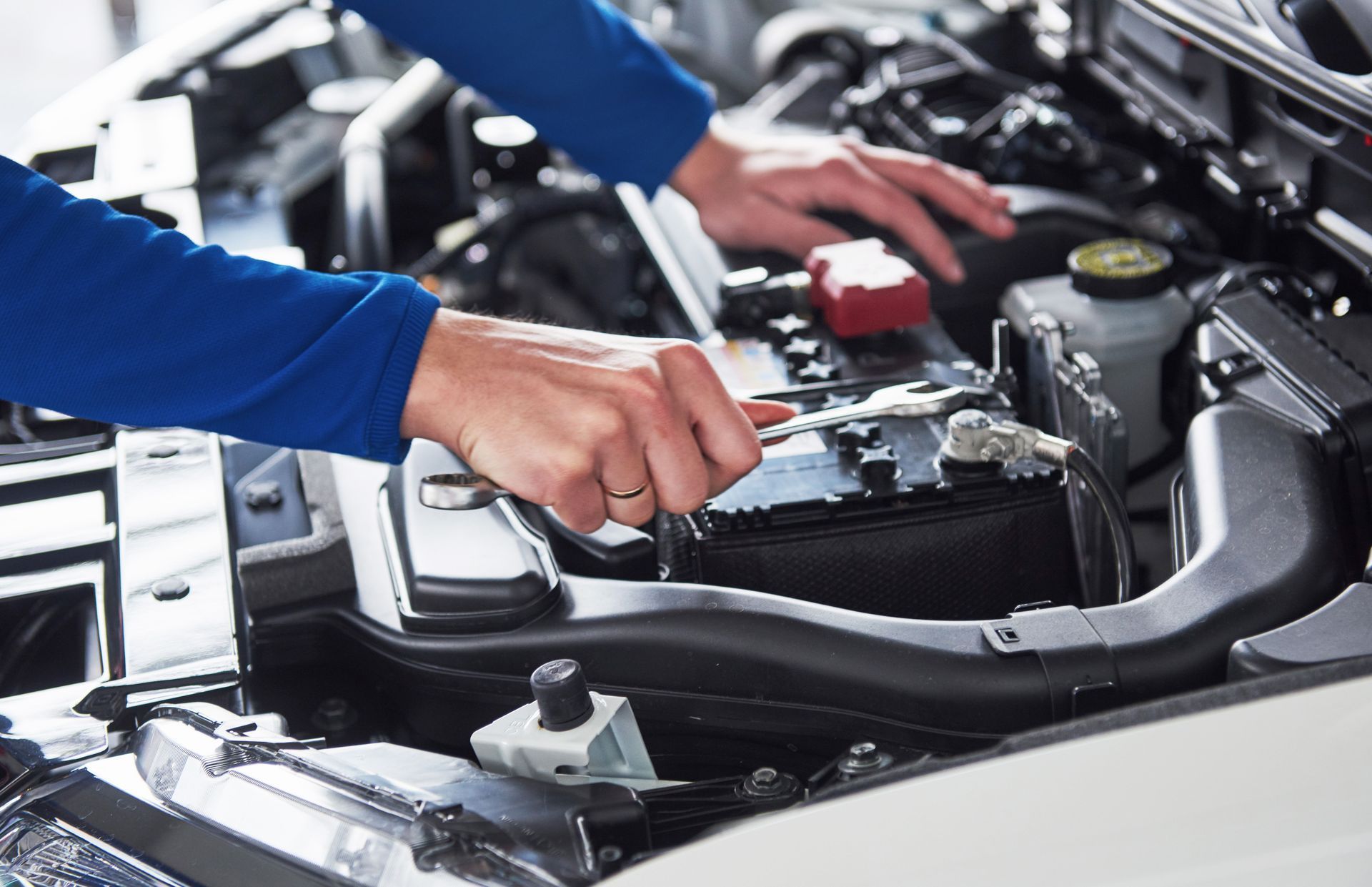
Vehicle ownership has long stood as a cornerstone of daily personal mobility, offering unparalleled freedom of movement, economic access, and convenience across urban and rural landscapes alike. Supporting this vast mobility infrastructure is an intricate, highly essential industry dedicated to keeping motor vehicles safe, reliable, and performing at peak efficiency. Over recent decades, rapid technological advancement has fundamentally reshaped every facet of automotive engineering and workshop operations. Automobiles that once depended almost entirely on mechanical linkages, physical cables, and simple electrical circuits have evolved into complex, software-driven computing platforms on wheels. Advanced microprocessors, real-time sensor arrays, and sophisticated telemetry systems continuously monitor vehicular operational parameters, dramatically altering how professional technicians approach routine maintenance, mechanical restoration, and custom fabrication. This comprehensive technological revolution has elevated diagnostic precision, streamlined workshop workflows, enhanced customer transparency, and opened unprecedented avenues for custom vehicle optimization. Examining these technological developments offers profound insight into how contemporary transportation remains dependable, safe, and efficient on modern highways.
Transforming Vehicle Diagnostics Through Computer Networks
Contemporary motor vehicles function essentially as complex mobile networks, containing dozens of interconnected electronic control units that continually exchange operational data. These microprocessors continuously monitor engine combustion, transmission shift points, braking stability, environmental emissions, and internal climate controls. When an operational deviation or component malfunction occurs, internal monitoring systems generate specific diagnostic codes rather than requiring manual physical troubleshooting. According to Sharp Sheets, over 75% of Americans use an auto repair service at least once per year. This high level of ongoing demand highlights the crucial role that fast, accurate diagnostic technology plays in modern service facilities.
Technicians connect sophisticated digital scanning consoles directly to standardized vehicle communication ports, instantly retrieving stored diagnostic trouble codes and real-time operational metrics. Instead of spending extensive hours disassembling major mechanical assemblies to locate hidden faults, service professionals rely on dynamic data streams that reveal exact system parameters, fluid pressures, and electrical voltages. Computerized diagnostic systems remove guesswork, enabling mechanics to isolate failing sensors, ignition glitches, or fuel delivery imbalances within minutes. Consequently, vehicle owners enjoy significantly reduced turnaround times, reduced labor expense, and pinpoint accuracy during every service visit.
Streamlining Vehicle Maintenance Using Digital Inspection Tools
Beyond onboard diagnostic scanners, modern workshop management has been radically transformed by digital inspection technologies that revolutionize how mechanics evaluate vehicles and share information with owners. Traditional paper checklists, handwritten technician notes, and vague verbal descriptions are rapidly disappearing, replaced by interactive tablet-based digital inspection reports. During routine maintenance or thorough vehicle assessments, technicians perform systematic visual evaluations while capturing high-resolution photographs and clear video recordings of worn brake rotors, deteriorated suspension bushings, fluid leaks, or damaged exhaust piping.
These detailed visual records upload instantly to cloud storage platforms, allowing service advisors to deliver comprehensive reports directly to customer smartphones or computers via text message or email. Viewing high-definition visual evidence enables vehicle owners to clearly comprehend recommended maintenance needs without requiring specialized mechanical training. This unprecedented level of transparency builds deep trust between drivers and technicians, transforming ambiguous service recommendations into clear, confident decisions. Furthermore, digital inspection platforms maintain permanent historical logs, tracking structural wear across multiple visits and helping mechanics anticipate future auto repair requirements long before critical mechanical failures occur on the road.
Upgrading Safety Features via Advanced Driver Support Systems
Modern passenger automobiles feature an array of active driver-assistance systems designed to prevent collisions and protect vehicle occupants. Automated emergency braking, lane departure prevention, adaptive cruise control, pedestrian recognition, and blind-spot detection rely on precise radar units, optical cameras, lidar units, and ultrasonic sensors strategically positioned around the vehicle chassis. Whenever a vehicle undergoes structural collision work, suspension adjustments, or windshield replacements, these delicate sensors require exact spatial calibration to function safely and accurately.
Calibrated safety equipment demands specialized optical targets, laser alignment frames, and proprietary diagnostic software environments. Even a fractional angular misalignment in a forward-facing camera or bumper radar sensor can cause inaccurate safety alerts or inappropriate automated braking responses. Consequently, professional facilities invest heavily in specialized technician certification and dedicated calibration bays. Ensuring that advanced driver-assistance hardware operates within strict factory specifications has become a fundamental standard across modern auto repair facilities handling contemporary vehicle maintenance.
Enhancing Custom Exhaust Performance with Modern Engineering
Technological evolution extends far beyond electronic microprocessors and safety sensors; it deeply impacts custom mechanical fabrication and performance exhaust engineering. Vehicle exhaust systems perform vital functions, regulating backpressure, optimizing engine efficiency, routing harmful emissions away from passenger compartments, and defining acoustic sound characteristics. Modern exhaust servicing combines advanced metallurgy, computerized mandrel pipe bending machinery, and precision welding equipment to design custom configurations tailored to unique vehicle specifications and performance goals.
High-performance vehicles benefit immensely from specialized exhaust modifications that maximize exhaust gas velocity and engine breathing capacity. Experienced fabricators utilize computer-assisted design models and high-grade stainless steel or titanium alloys to construct seamless exhaust layouts, increasing horsepower while preserving environmental compliance. Custom exhaust building allows vehicle enthusiasts to achieve tailored acoustic profiles and improved fuel economy, demonstrating how traditional master craftsmanship and modern engineering principles integrate harmoniously within specialized auto repair operations.
Integrating Electric Powertrains Into Traditional Workshops
The rapid adoption of electric vehicles and hybrid propulsion systems represents another monumental shift within the automotive industry. Electric powertrains eliminate traditional internal combustion hardware such as spark plugs, fuel injectors, timing belts, and complex multi-ratio automatic transmissions. However, they introduce high-voltage lithium battery packs, regenerative braking systems, sophisticated liquid thermal management loops, and heavy-duty electric traction motors.
Servicing electric propulsion architectures requires strict high-voltage safety standards, specialized insulated hand tools, and advanced software diagnostic capabilities. Technicians must undergo rigorous training to master high-voltage safety isolation, thermal cooling loop maintenance, and battery cell balance monitoring. Service bays are reconfigured with safety barriers, insulated mats, and protective gear to ensure technician safety during high-voltage maintenance. As hybrid and electric models capture a growing share of roadway traffic, continuous technical education ensures that modern facilities remain fully prepared to deliver safe, effective auto repair services for electrified vehicles.
Leveraging Telematics Data for Proactive Maintenance Solutions
Wireless telematics technology enables contemporary vehicles to transmit dynamic operational data continuously to service management platforms and vehicle owners. Operating parameters such as battery voltage stability, tire pressure variations, fluid temperature trends, and brake pad wear metrics can be monitored remotely in real time, driving a fundamental transition from traditional reactive repairs toward predictive maintenance strategies.
Rather than waiting for a warning light to illuminate on the instrument panel or an engine component to fail unexpectedly, drivers receive automated notifications when dynamic sensors detect initial component degradation. Early notifications empower vehicle owners to schedule convenient service visits before minor wear escalates into catastrophic mechanical failure or inconvenient roadside breakdowns. Telematics integration fosters continuous connectivity between vehicle owners, advanced onboard computers, and service centers, maximizing vehicle durability, enhancing safety, and reducing long-term ownership costs.
Technological innovation has fundamentally redefined the modern automotive landscape, elevating traditional mechanical craftsmanship into an advanced, data-driven discipline defined by computer diagnostics, digital transparency, and precision engineering. From real-time telematics and digital inspections to high-voltage electric powertrain service and custom performance fabrication, modern advancements empower technicians to provide safer, faster, and more reliable vehicular care. Navigating this increasingly complex technical landscape requires deep technical knowledge, specialized equipment, and an unwavering commitment to quality craftsmanship. At R & D Custom Exhaust, we take pride in combining cutting-edge technical precision with master fabrication expertise to ensure your vehicle achieves peak performance, safety, and reliability on every journey. Contact our dedicated team today to experience superior vehicular service tailored specifically to your performance and maintenance goals.